
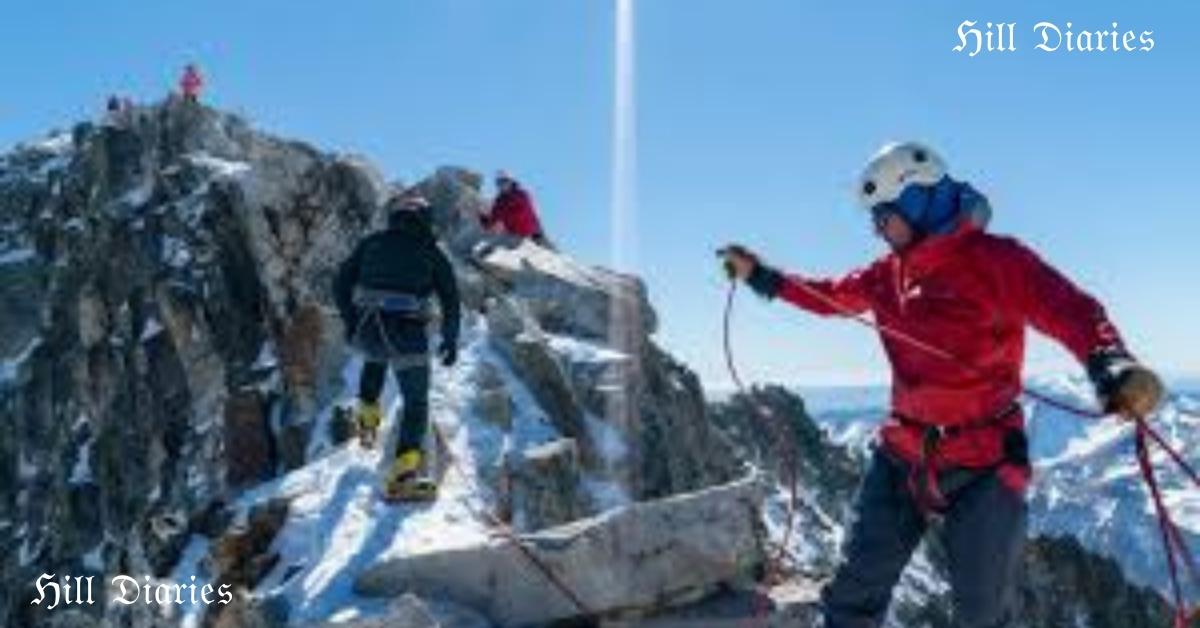
Mountaineering in the Pyrenees is one of Europe’s most rewarding yet underrated alpine experiences. Stretching across approximately 430 km between Spain and France, this mountain range offers a diverse combination of rugged terrain, scenic valleys, alpine ridges, and technical climbs.
Unlike the heavily trafficked Alps, the Pyrenees provide a more remote, peaceful, and authentic mountaineering environment. Whether you’re a beginner exploring your first summit or an experienced climber seeking challenging ascents, the Pyrenees deliver a perfect balance of adventure and accessibility.
Why Choose the Pyrenees for Mountaineering
The Pyrenees stand out for several reasons. First, the low crowd density means you can experience solitude even during peak climbing season. This is increasingly rare in Europe’s popular mountain regions.
Another advantage is the variety of terrain. From scrambling ridgelines to glacier crossings and technical alpine routes, the Pyrenees cater to all levels of climbers. The mountains are also rich in biodiversity, featuring dramatic valleys, lakes, and wildlife that enhance the overall experience.
Many climbers describe the Pyrenees as feeling more untouched and wild compared to the Alps. This sense of raw nature is a major attraction for those seeking a deeper connection with the mountains.
Geography and Key Peaks
The Pyrenees are home to some of the most iconic peaks in Europe, many of which rise above 3,000 meters.
Major Peaks
| Peak Name | Elevation | Difficulty Level |
| Aneto | 3,404 m | Moderate |
| Posets | 3,375 m | Challenging |
| Monte Perdido | 3,355 m | Moderate |
| Vignemale | 3,298 m | Technical |
Aneto, the highest peak at 3,404 meters, is often considered the best starting point for mountaineering in the Pyrenees. It involves glacier travel and moderate exposure, making it ideal for beginners transitioning into alpine climbing.
Vignemale, on the other hand, offers more technical routes, including ice climbing sections and steeper ascents, making it suitable for advanced mountaineers.
Best Time for Mountaineering in the Pyrenees
Choosing the right season is critical for safety and enjoyment.
Seasonal Overview
| Season | Conditions | Recommendation |
| Summer (June–September) | Stable weather, accessible routes | Best time |
| Winter (December–March) | Snow-covered terrain | Advanced climbers |
| Spring (April–May) | Unstable snow, variable weather | Not ideal |
The most popular months are July and August, when weather conditions are stable, and most routes are free from dangerous snow accumulation. However, even in summer, sudden weather changes can occur, so preparation is essential.
Difficulty Levels Explained
Mountaineering in the Pyrenees is accessible across a wide range of skill levels.
Beginner Routes
- Minimal technical difficulty
- Basic scrambling and hiking
- Limited exposure
Intermediate Routes
- Require navigation skills
- Include ridge climbing and steeper ascents
- Moderate exposure
Advanced Routes
- Technical climbing with ice and mixed terrain
- High exposure and steep gradients
- Requires experience with rope systems and crampons
This diversity allows climbers to gradually progress without needing to leave the region.
Best Mountaineering Routes in the Pyrenees
Some routes have achieved legendary status among climbers.
1. Aneto Normal Route
This is the most popular route for beginners. It includes a glacier crossing and a narrow ridge near the summit, offering both challenge and excitement.
2. Monte Perdido North Face
A more demanding climb that involves steeper gradients and technical sections. It’s perfect for those looking to push beyond intermediate level.
3. Vignemale Glacier Route
A classic alpine route featuring ice climbing and crevasse navigation. This route is best suited for experienced mountaineers.
Pyrenees vs Alps: Key Differences
Many climbers compare the Pyrenees to the Alps when planning their trips.
| Feature | Pyrenees | Alps |
| Crowds | Low | High |
| Cost | Affordable | Expensive |
| Height | (2,000–3,400 m) | Higher peaks |
| Terrain | Wild & remote | Developed |
| Glacier presence | Limited | Extensive |
The Pyrenees are ideal for those who prefer a quieter and more budget-friendly mountaineering experience.
Essential Gear Checklist
Proper equipment is crucial for safety.
Basic Gear
- Mountaineering boots
- Helmet
- Rope
- Harness
- Ice axe
- Crampons
Additional Essentials
- Navigation tools (map, GPS)
- Weather-appropriate clothing
- Emergency kit
Important: Weather in the Pyrenees can change rapidly, so layering is essential.
Safety Tips and Weather Considerations
Safety should always be a top priority.
- Always check weather forecasts before starting
- Avoid climbing during unstable snow conditions
- Understand the terrain and route difficulty
- Inform someone about your planned route
One of the most overlooked risks is rapid weather changes, which can turn an easy climb into a dangerous situation within hours.
Guided Tours vs Solo Climbing
Choosing between a guided experience and solo climbing depends on your skill level.
Guided Tours
- Ideal for beginners
- Provide local expertise
- Increase safety
Solo Climbing
- Offers flexibility
- Requires advanced knowledge of navigation and terrain
For first-time climbers, guided tours are highly recommended.
Accommodation: Refuges and Hut Systems
One of the unique aspects of mountaineering in the Pyrenees is the network of refuges (mountain huts).
These huts provide:
- Affordable accommodation
- Food and water
- Strategic locations near climbing routes
They are especially useful for multi-day mountaineering trips, allowing climbers to rest and recover between ascents.
Multi-Day Mountaineering Routes
For those seeking extended adventures, the Pyrenees offer world-class long-distance routes.
Popular Routes
- GR10 Trail (866 km) – crosses the French side
- GR11 Trail (840 km) – runs along the Spanish side
These routes combine trekking, mountaineering, and cultural exploration, making them perfect for immersive experiences.
Permits and Regulations
In most parts of the Pyrenees, permits are not required for mountaineering. However, certain protected areas may have specific rules.
Always:
- Respect local regulations
- Follow environmental guidelines
- Avoid disturbing wildlife
Responsible climbing ensures that these landscapes remain preserved.
Travel and Access Points
The Pyrenees are accessible from both France and Spain.
Main Access Points
- Northern side via France
- Southern side via Spain
Transportation options include:
- Regional trains
- Car rentals
- Shuttle services
Planning your route in advance will save time and effort.
Case Study: A First-Time Climber’s Experience
A beginner mountaineer shared their journey starting with Aneto:
“I chose Aneto as my first peak because it offered a manageable challenge. The glacier crossing was intimidating at first, but with preparation, it became the highlight of the climb.”
This reflects a common pattern—starting with moderate routes builds confidence for tackling more advanced climbs later.
Conclusion
Mountaineering in the Pyrenees offers a unique opportunity to explore one of Europe’s most beautiful and diverse mountain ranges. With its classic routes, scenic landscapes, and manageable ارتفاع, it is suitable for both beginners and experienced climbers.
From the iconic summit of Aneto (3,404 m) to the technical challenges of Vignemale, the Pyrenees provide endless opportunities for adventure. Add in the affordability, fewer crowds, and rich natural beauty, and it becomes clear why this destination is gaining popularity among mountaineers.
If you’re looking for a destination that combines challenge, solitude, and breathtaking scenery, the Pyrenees should be at the top of your list.
FAQs
Is mountaineering in the Pyrenees suitable for beginners?
Yes, many routes are beginner-friendly, especially those with minimal technical difficulty.
What is the best time to climb?
The ideal period is June to September, with peak conditions in July and August.
Do I need a guide?
Not necessarily, but beginners should strongly consider hiring one.
Are there glaciers in the Pyrenees?
Yes, but they are smaller and less extensive compared to the Alps.